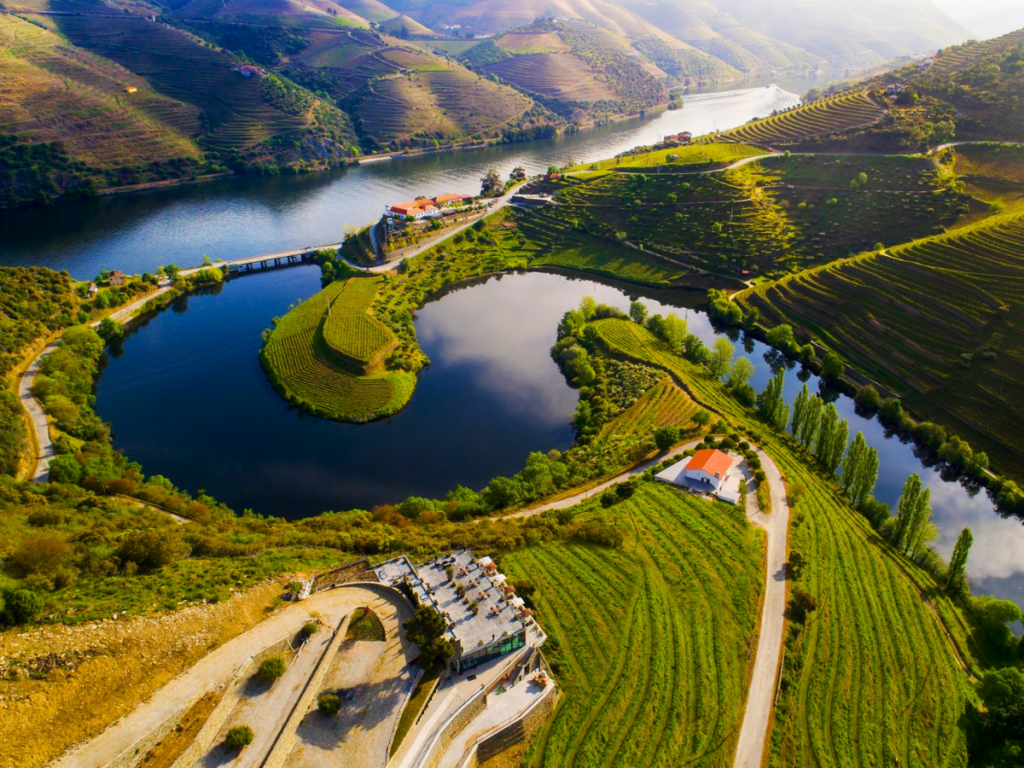
Portugal speaks to the soul through its flavors. When I help my friends plan and book their trips through these historic lands, the conversation almost always turns to wine. You don’t need to be a wine expert, knowing a few local favorites will make your time in the Douro Valley feel so much more meaningful.
Portugal’s seafaring history and breathtaking landscapes get most of the attention, but its wine list can feel intimidating for many first-time travelers. Every glass poured here carries a quiet, humble pride, rooted in traditions passed down for centuries. Here’s the Portuguese wine and Port guide I share with everyone before their first trip to the Douro Valley, so you can sip with confidence.
Ruby Port: The Vibrant Classic
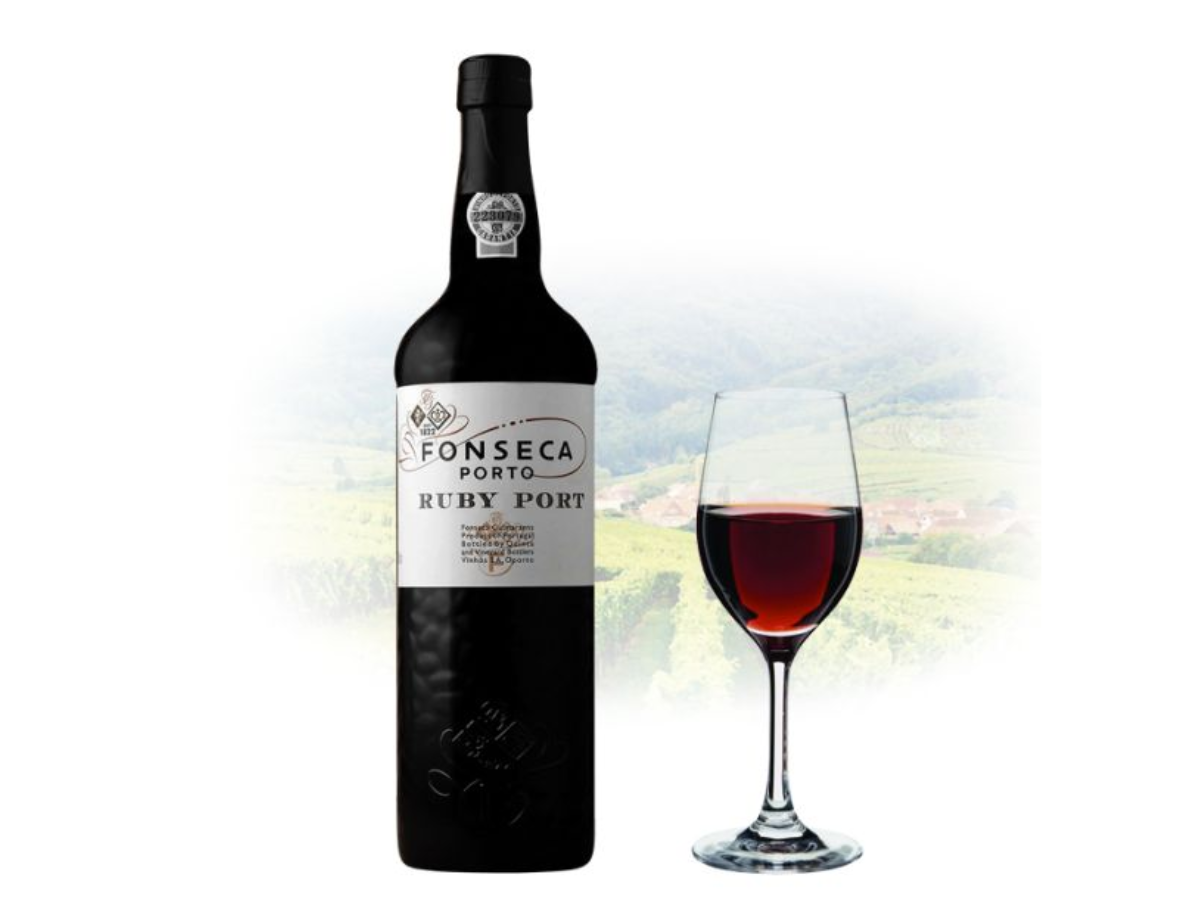
Ruby Port is all about freshness and fruit. Winemakers age it for a shorter time in large vats to limit oxygen contact, which keeps that brilliant, deep red color intact. Take a sip and you’ll notice intense flavors of blackberry, cherry, and plum. If you like something youthful and bold, this is a wonderful introduction to the region.
I always recommend pairing its fruity profile with a piece of dark chocolate or a creamy blue cheese, the contrast is delicious. People enjoy this style while it’s young and vibrant, which makes it a staple in any local tavern. It captures the energy of the Portuguese harvest in every glass.
Tawny Port: The Smooth Sophisticate
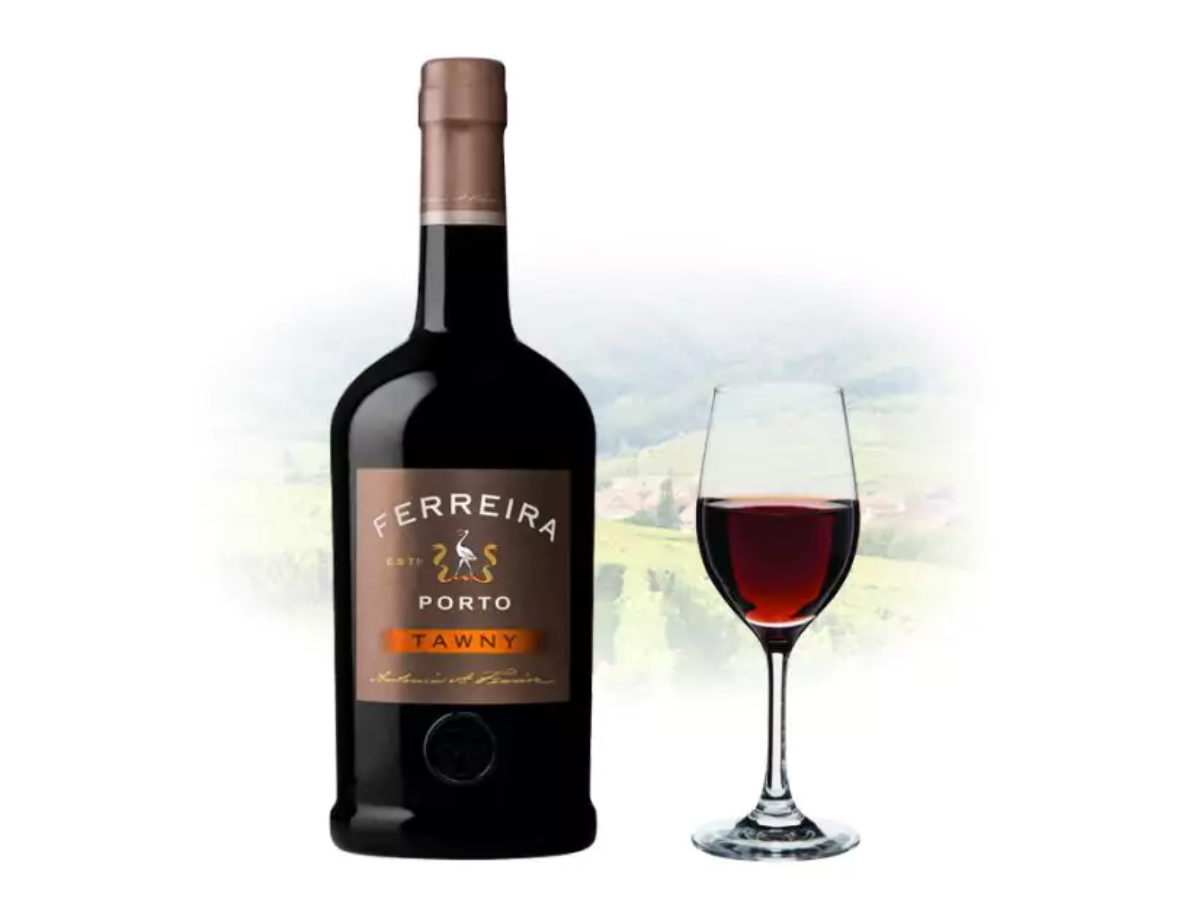
Winemakers age Tawny Ports in smaller wooden barrels, letting them gently oxidize over many years. This process turns the wine a beautiful amber, or tawny, color and transforms the fruit into flavors of caramel, toasted nuts, and dried figs. In our group, a 10-year or 20-year Tawny is often the favorite because of its silky, mellow finish.
It’s less sugary on the palate than a Ruby and feels like a warm hug in a glass, especially paired with an almond tart or a simple bowl of walnuts. Its complexity deepens as it ages in the wood, rewarding a slower pace of sipping. It is the ultimate companion for a quiet evening spent sharing stories of the day’s travels.
White Port: The Hidden Gem
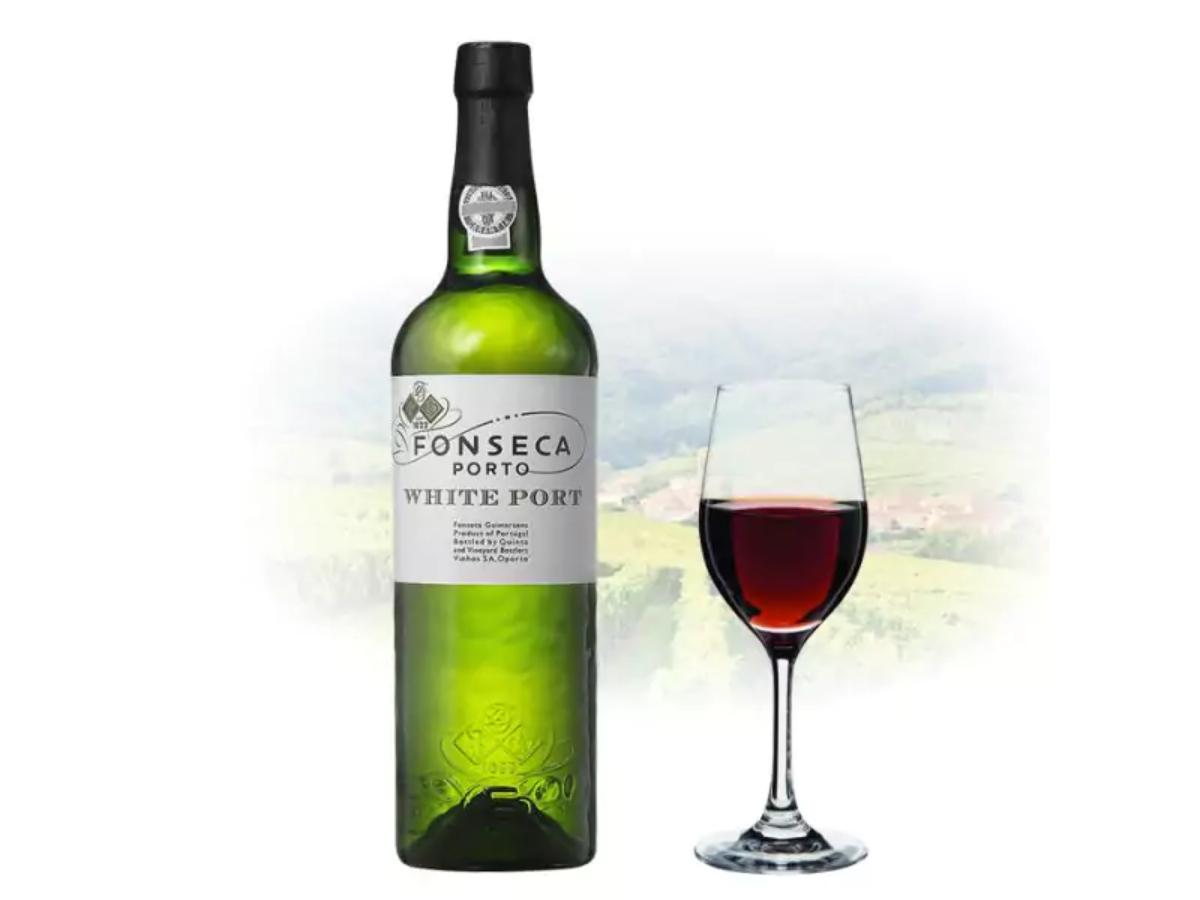
You usually don’t see White Port in the States. Many people don’t realize Port comes from white grapes like Viosinho or Malvasia. It ranges from very dry to quite sweet, and the sweetest versions are often labeled Lágrima. Many travelers overlook this versatile local favorite, then quickly grow to love it.
Try it as a Porto Tónico, White Port mixed with tonic water, ice, and a sprig of mint, alongside salted almonds with a hint of rosemary. It’s incredibly refreshing, and the perfect way to start a golden afternoon on a private terrace overlooking the rolling hills. This drink is a symbol of Portuguese hospitality and a wonderful way to toast to a trip you won’t forget.
Elegant Portuguese Table Wines
Beyond Port, the country’s table wines (non-fortified) are world class. You’ll enjoy these wines at local tascas and during group dinners. The unique soils the grapes grow in give them a depth of flavor that’s hard to find anywhere else.
- The reds: If you usually enjoy a Cabernet or a Merlot, look for Touriga Nacional. Known for its deep color and aromas of violets, it’s the queen of Portuguese grapes. It produces a smooth, full-bodied red that pairs beautifully with a hearty Portuguese dinner.
- The whites: For those who prefer something crisp, keep an eye out for Rabigato. This grape thrives in higher altitudes and delivers a lovely freshness and minerality that matches the warm climate perfectly.
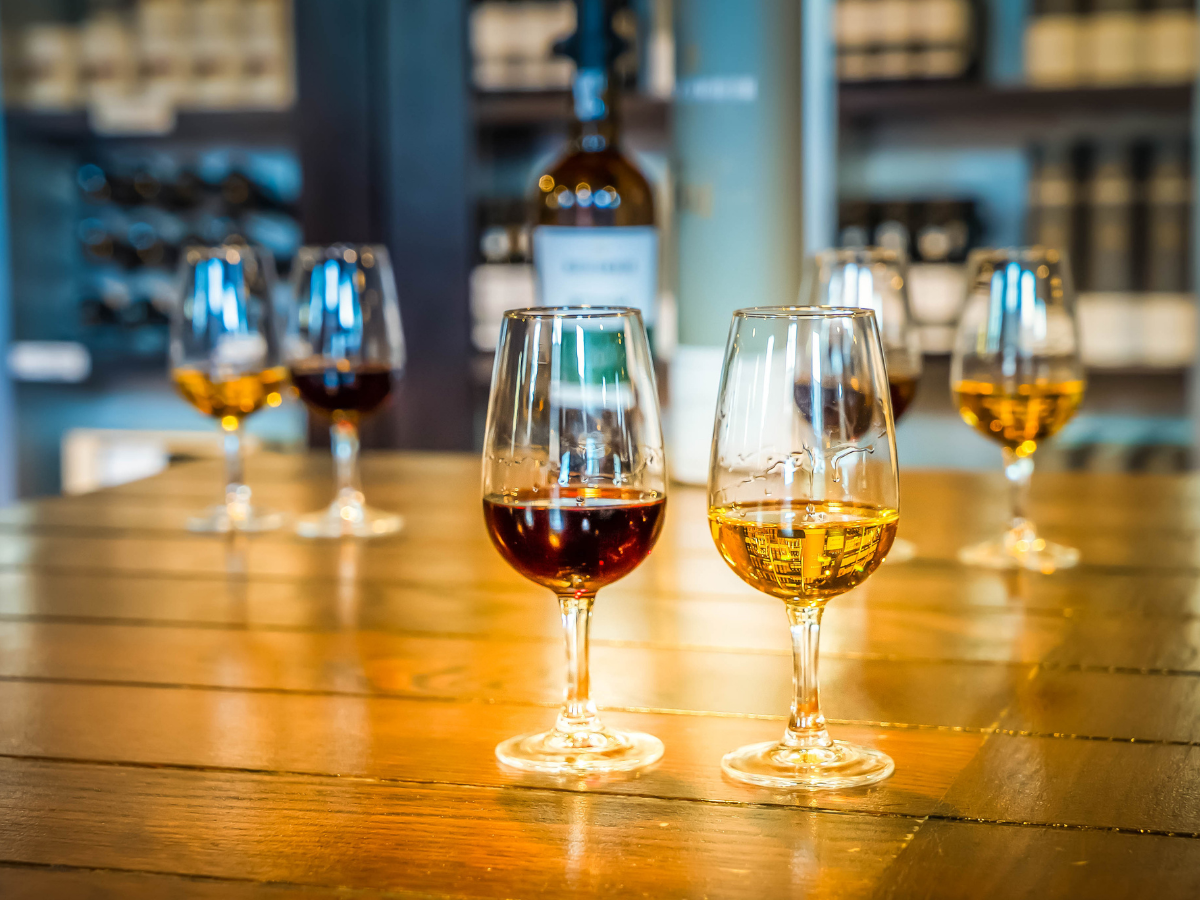
Visiting the Wine Estates of the Douro Valley
The real beauty of visiting the Douro Valley lies in stepping inside authentic quintas, or estates, like Quinta da Pacheca or Quinta do Bomfim. At these family-run properties, you aren’t just a visitor, you’re a guest learning about traditions passed down for five generations. Walking through 18th-century heritage buildings, you’ll still find traditional granite lagares, where workers tread grapes by foot to this day.
At Quinta do Bomfim, you can walk the same terraced vineyards that have produced legendary Vintage Ports for over a century. Quinta da Pacheca, meanwhile, offers a sense of history dating back to 1738. Whether you explore the historic vineyards of the north or the local charms of the southern countryside, Portugal has a flavor that makes every moment feel special.
Frequently Asked Questions About Portuguese Wine and Port
What is the difference between Ruby Port and Tawny Port?
Winemakers age Ruby Port briefly to preserve its bold, fruity flavor and deep red color. Tawny Port ages much longer in small wooden barrels, which gives it an amber color and flavors of caramel and toasted nuts.
Is Port wine sweet?
Port ranges from very dry to very sweet depending on the style. Ruby and Tawny Ports lean sweeter, while some White Ports are quite dry.
What is White Port?
Winemakers make White Port from white grapes like Viosinho or Malvasia, and you’ll rarely find it outside Portugal. People often serve it as a Porto Tónico, mixed with tonic water and mint.
What is the difference between Port and regular wine?
Port is a fortified wine, meaning winemakers add grape spirit during fermentation, which stops the process early, leaves natural sugar behind, and boosts the alcohol content. Regular table wine ferments fully and skips the added spirit.
A Flawless Tasting Experience
To make experiencing these flavors even easier, I’ve curated an exceptional Portugal itinerary that includes a visit to an authentic wine estate and its hidden gems. Every part of this trip style aims to feel as relaxing and genuine as possible, so you experience the soul of the region without any of the stress.
I’d love to help you get started on planning and booking this incredible experience so every detail is handled with care. Reach out for a complimentary consultation if you have any questions about the accommodations or daily excursions.